6 Details That Convicted Lottery Rigger Eddie Tipton in the Hot Lotto Crime Story
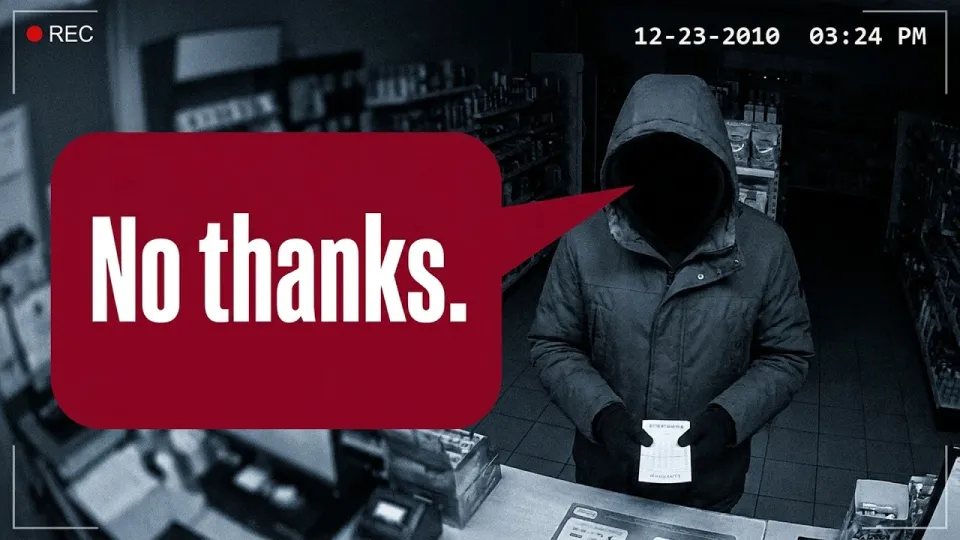
Video: He Rigged the Lottery. Two Words Gave Him Away. (crime story)
· based on the channel Max Crime
Key takeaways
- Eddie Tipton was information security director at the Multi-State Lottery Association, the body that ran Hot Lotto draws.
- A Hot Lotto ticket bought in Des Moines in December 2010 was worth $16.5 million and went unclaimed for nearly a year.
- Investigators released store CCTV in 2014; coworkers recognized Tipton's voice and gait.
- Tipton pleaded guilty in 2017 to manipulating the random number generator code used to pick winning numbers.
- The $16.5 million prize on that claim was never paid.
The crime story of Eddie Tipton is the tale of a lottery insider who wrote the code that picked winning numbers and then used it for himself. Tipton was information security director at the Multi-State Lottery Association (MUSL), the body that ran games such as Hot Lotto, and he was barred from playing them. A $16.5 million Hot Lotto ticket bought in Des Moines went unclaimed for nearly a year, and the investigation that followed ended with his guilty plea in 2017.
What the crime story is about in one paragraph
A winning Hot Lotto ticket worth $16.5 million was sold in Des Moines in December 2010, and for almost a year nobody came forward to claim it. The man who eventually surfaced was not the buyer but a lawyer acting for an anonymous trust, and the buyer himself was a security expert for the company that helped run the lottery's games. He had written the program that produced the winning numbers and was not allowed to play. Store surveillance and two ordinary words — "No thanks" — gave him away.
How the Hot Lotto scam worked
Tipton's position gave him access to the random number generator that produced winning combinations, and prosecutors said he altered it so that specific numbers would come up on specific dates. The rigged draws were not random at all: the code was built to produce a predictable outcome on a chosen day, which let an accomplice buy a ticket with the numbers already known.
The scheme depended on secrecy at every step:
- The altered code had to be installed on the machines used for the draws, which were kept off the internet.
- A ticket had to be bought in a state where the winning numbers were valid, by someone with no visible link to the lottery.
- The prize had to be claimed through a trust or a lawyer so the real beneficiary stayed hidden.
- The claim had to be filed before the deadline, which in this case was about a year after the draw.
That last point is what created the pressure. A prize this size cannot sit unclaimed forever, and the clock was the one part of the plan Tipton could not reprogram.
The claim that did not add up
The ticket was turned in by a lawyer acting for an anonymous trust, with just over an hour to spare before the claim deadline. The story attached to it was that the ticket had been bought by a friend or associate of the trust's beneficiary, and that the buyer had been unaware of the win.
Investigators compared that account with the store's own recording. The recording showed who actually bought the ticket, and the caller's description of the purchase did not match it. The mismatch turned a routine unclaimed-prize file into a fraud case, and the Iowa Division of Criminal Investigation took over the paper trail: who bought the ticket, who knew the numbers in advance, and who stood to collect.
Two words that gave him away
In 2014 investigators released the store surveillance footage to the public and asked for help identifying the man in it. The clip was short and the image was not sharp, but it carried sound. At the counter, when the clerk offered something extra, the man said: "No thanks."
Coworkers at MUSL recognized both the voice and the way the man moved. People who had sat in meetings with Tipton for years put the recording together with the person they knew, and the identification pointed straight back to the organization that ran the game. The two words were not a confession; they were the hinge that let a face and a voice be matched to a name.
One second every minute in the draw room
The computers that generated the winning numbers were kept off the internet, in a room watched by a security camera. That camera did not record continuously: it captured roughly one second of every minute, which left long gaps in the record. The footage was enough to establish who had access and when, but it was not a complete account of what happened in the room.
The case therefore rested on more than video. Investigators examined the machines, the software and the logs, and the picture that emerged was of a man who understood exactly how the system could be bent because he had built part of it. The security measures that were supposed to protect the draw — offline machines, restricted access, camera coverage — had all been designed or administered by the person now under suspicion.
The trial, the deadline and the guilty plea
Tipton was tried in Polk County, and the case did not end with the first verdict. An appeal turned on a legal deadline: the Iowa Supreme Court, in State v. Tipton, No. 15-1515, examined whether the charges had been filed in time, and the dispute over timing shaped what came next.
The resolution was a plea. In 2017 Tipton admitted manipulating the code used to generate winning numbers, and he was sentenced to prison. The $16.5 million prize on that Hot Lotto claim was never paid. The case also pushed lottery organizations to tighten controls around the people who write and maintain draw software — the insiders who, by definition, know how the machine thinks.
Why this crime story still matters
The Hot Lotto case is a reminder that the weakest point in a lottery is rarely the draw machine and almost always the person with access to it. Tipton did not need to break into a vault; he needed a few lines of code and a helper willing to buy a ticket. What undid him was not a sophisticated forensic breakthrough but a store microphone, a short recording, and colleagues who knew his voice. Max Crime covers the full sequence of the investigation in its video breakdown, from the unclaimed ticket to the courtroom and the plea.
For anyone following true crime, the lesson is structural: when one person controls both the randomness and the security around it, the audit trail is only as honest as that person. The $16.5 million was never handed over, but the damage to public trust in the draw took longer to repair than the case itself.
Questions & answers
Who is Eddie Tipton and what did he do?
Eddie Tipton was the information security director at the Multi-State Lottery Association, which ran games including Hot Lotto. He manipulated the random number generator code so that specific numbers would be drawn on chosen dates, and he pleaded guilty to the scheme in 2017.
How was the Hot Lotto rigging discovered?
A $16.5 million ticket sold in Des Moines sat unclaimed for nearly a year before a lawyer turned it in for an anonymous trust. Investigators compared the claim story with store surveillance footage, and when the video was released in 2014, coworkers recognized Tipton's voice and mannerisms.
What were the two words that gave him away?
On the store recording, when the clerk made an offer, the ticket buyer replied "No thanks." Colleagues at the lottery association recognized the voice and the way the man moved, which linked the footage to Tipton.
Was the $16.5 million Hot Lotto prize ever paid out?
No. The prize on that claim was never paid. Tipton was convicted and sentenced to prison, and the case led lottery organizations to review how much access insiders have to draw software.
Source: He Rigged the Lottery. Two Words Gave Him Away. (crime story) · Markdown version