The Toronto Pearson gold heist is the crime story where a fake fish slip moved $20M in bullion out of Air Canada cargo
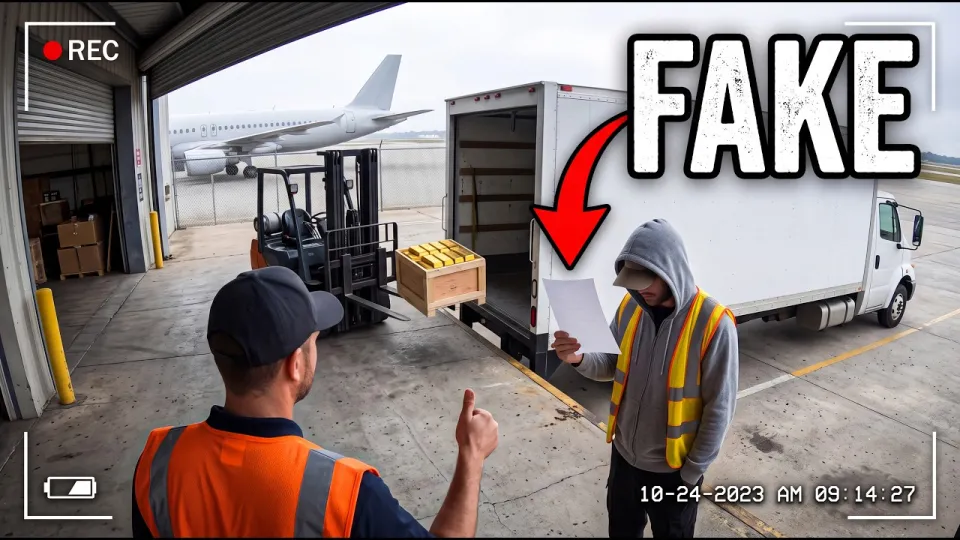
Video: Airport Has No Idea It Just Handed $20M in Gold to Thieves (crime story)
· based on the channel Max Crime
Key takeaways
- 6,600 gold bars arrived at Toronto Pearson on an Air Canada flight in April 2023, packed into a single metal container.
- The thieves used a fraudulent pickup document for a fish shipment that had already been collected the day before.
- A white truck backed up to the Air Canada cargo warehouse and left with the gold in minutes.
- The loss was valued at roughly $20 million in gold and cash, making it one of Canada's largest cargo thefts.
- No alarm, forced entry or armed confrontation was involved: the heist worked through paperwork and routine trust.
A crime story worth studying is the Toronto Pearson gold heist, in which thieves walked out of an Air Canada cargo warehouse with about $20 million in gold by presenting a single fraudulent pickup slip for a shipment of fish. The container held 6,600 gold bars that had arrived on an Air Canada flight in April 2023, and the airport handed it over without ever realizing it had just been robbed. What makes the case a textbook cargo theft is that nothing was broken, hacked or held at gunpoint: the entire operation ran on a piece of paper and a white truck.
What the Toronto Pearson gold heist actually involved
The core of the case is a mismatch between what arrived and what was released. A flight landed at Canada's busiest airport carrying a metal container of gold, along with a separate consignment of cash, and the shipment sat in the Air Canada cargo facility waiting for its legitimate handler. Later that same evening, a man drove a white truck to the warehouse, walked in with a document, and claimed a shipment of fish. The fish had already been picked up the day before, which is exactly why the paperwork looked plausible to staff: the reference existed, the routine was familiar, and the cargo terminal handles hundreds of such releases every day.
How a fake fish slip beat a $20M gold shipment
The heist worked because it exploited procedure rather than security hardware. Cargo warehouses are built around speed and documentation, not around verifying the story behind every signature, and the thieves understood that better than anyone guarding the gold.
- A legitimate Air Canada flight delivered the gold container to the Pearson cargo facility, where it was logged in and staged for onward pickup.
- The thieves prepared a fraudulent waybill referencing a fish consignment that had already been collected, so the record would match something real in the system.
- A white truck arrived at the warehouse and the driver presented the document to staff as a routine courier pickup.
- Warehouse personnel released the container against the paperwork, and the truck left with the gold and cash inside.
- The theft was only discovered later, when the real recipient came to collect the shipment and the container was gone.
Why the airport had no idea it just handed over the gold
The uncomfortable lesson of the case is that the weakest point in the chain was human verification under time pressure. Air Canada cargo staff were following the process they had been trained on: check the document, match the reference, release the freight. A fraudulent slip that pointed to a real, already-completed fish pickup passed that test, and no one at the dock had a reason to open a sealed metal container or question a driver who looked like every other courier on the ramp. The gold was never scanned against a second identity check, and the truck left through the same lanes used by legitimate freight forwarders all day long.
The procedural gaps that make cargo theft so effective
Cargo theft succeeds because airports are optimized for throughput, and every extra check costs time and money. The Pearson case exposes several of those gaps at once: a single document could authorize release of high-value freight; the pickup was not tied to a pre-arranged appointment with the true consignee; the driver's identity was not cross-checked against the company named on the slip; and the container itself carried no tamper-evident seal that staff were required to verify on camera. None of these is exotic security technology. Each is a routine control that, if enforced, turns a five-minute heist into a failed attempt.
What happened after the gold left the warehouse
The theft triggered one of the largest cargo investigations in Canadian history, involving regional police, the national police force and international partners, because gold is easy to melt, recast and move across borders. Investigators focused on the document trail, the truck, and the people who knew the shipment's schedule, since the thieves appeared to know exactly when the gold would be sitting in the facility and exactly which fish reference would pass inspection. The case also pushed insurers and freight forwarders to revisit how high-value consignments are released, with more scrutiny on who signs for a container and when.
What this crime story teaches about trust and paperwork
The Pearson gold heist is not a story about master criminals defeating a fortress; it is a story about a fortress that opened its own door. A $20 million shipment moved because a fraudulent slip was accepted at face value, because the person holding it looked like a courier, and because the system rewarded speed over suspicion. For anyone moving valuables by air, the takeaway is blunt: the document is the vulnerability, and the person checking it is the last line of defense. The Max Crime breakdown of the case walks through the timeline and the procedural failures that let a fish slip become a gold heist.
The bottom line on the Pearson gold heist
The Toronto Pearson case remains a defining example of modern cargo theft: no weapons, no hacking, no insider alarm, just a forged document and a white truck at the right dock at the right hour. It shows that the most expensive losses in freight often come from ordinary trust extended to the wrong person. Max Crime reconstructs the sequence in its investigation of the airport that handed $20 million in gold to thieves without ever noticing.
Questions & answers
How much gold was stolen at Toronto Pearson?
The shipment involved 6,600 gold bars plus a separate amount of cash, with the total loss valued at roughly $20 million. The gold had arrived on an Air Canada flight and was being held in the airline's cargo warehouse before the pickup.
How did the thieves get the gold out of the airport?
They presented a fraudulent pickup document for a fish shipment that had already been collected the day before. Staff released the metal container against that paperwork, and a white truck drove away with it.
Why didn't airport security stop the theft?
The heist exploited routine cargo procedures rather than breaching physical security. The document referenced something real in the system, the driver looked like a normal courier, and no one at the dock had a reason to open a sealed container or question the release.
What makes this case a notable crime story?
It is a rare case where a nine-figure-value shipment was lost through paperwork alone, with no violence or hacking involved. The Max Crime breakdown examines how ordinary trust in documentation became the weakest link in the chain.
Source: Airport Has No Idea It Just Handed $20M in Gold to Thieves (crime story) · Markdown version